
GROSS - the whole history of Hollywood and its ideologies - a guide for new subscribers
Dive into the archive - it's free and full of surprises from the whole history of Hollywood.

This happens every now and then. There’s probably a way to figure out why. But I should really just shut up and be grateful. But anyway, here you are (and if you’ve been here for ages, 👋). Welcome to my new subscribers, getting me a little closer to 1,000, a number that feels kind of important (and also, I read somewhere, would put GROSS somewhere in the top 10% of Substack newsletters, so there’s that too).
What you’ll get here is plain-language film reviews with political, cultural and economic context. It’s a history of Hollywood and of its ideologies - tracing the powerful ideas that formed and are formed by Hollywood (and some other parts of the cinematic world too) told through the biggest movies of all time. GROSS is a materialist critique of the immaterial joys of the movies (with gags).
GROSS begins in 1913 and will come right up to the present - I’ve got as far as the 1980s (The Empire Strikes Back is next). I began asking readers to support the project by paying for subscriptions when I got to The Godfather but some posts are still free and the whole archive is available at no charge - so you can dive in and read about more than 60 movies, from silent epics to the New Hollywood. Here’s a selection of six posts to give you a sense of what’s here.
There’s a special offer for the rest of May - a year of GROSS for half price - that’s £25 instead of the usual £50 (that’s about 34 of your American dollars instead of 68). That should get us as far the 21st Century!
(1913 is the year that the American film industry began to collate national rental data - the income produced by each movie during its life in the picture houses of the nation - and the world. It’s the origin of the term ‘gross’ and of the ‘top-grossing’ movie).
1913 - Traffic in Souls
An organised-crime drama with an ultra-modern remote surveillance storyline.
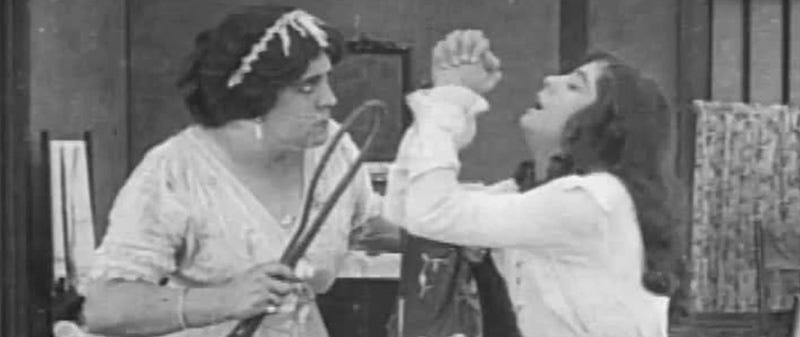
The first top-grossing film is a useful corrective to any romantic notions about the innocence or the simplicity of early cinema. Traffic in Souls is a sex-trafficking thriller with electronic surveillance, organised crime, money laundering and corrupt civic elites. It’s also a deeply ideological film: the villain is a progressive reformer, the hero is a cop, and the resolution is a police raid. Hollywood is already telling us who the good guys are. Film historian Neil Brand called it a one-off masterpiece and he’s right, but it’s a masterpiece with an agenda. Read the post and tell me what you think about this extraordinary early period of the movies in a comment.
1937 - Snow White and the Seven Dwarfs
Delerium in the forest.
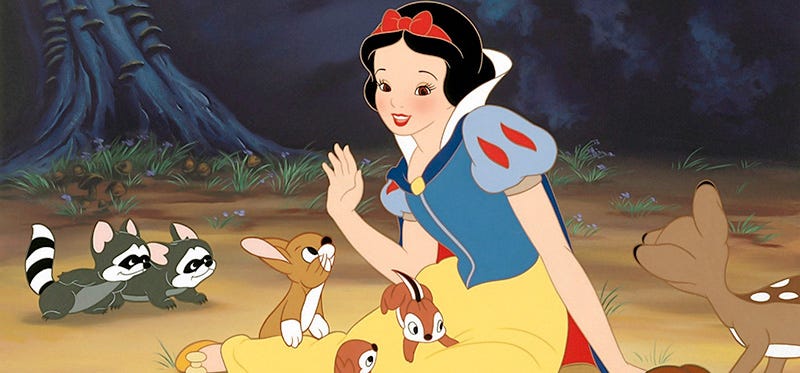
The Frankfurt School was obsessed with Disney. I think I undestand why. Adorno argued that cartoons were conditioning audiences to accept their own exploitation. Benjamin was more ambivalent but still troubled. Snow White marks the end of the spiky, experimental early period and the arrival of something more controlled, more conservative, more corporate - a film so precious to its owners that they’ve spent decades rewriting intellectual property law around it. Beautiful and sinister in equal measure. Read the post and tell me what you think about the intensely odd main-line of Disney animation in a comment.
1939 - Gone with the Wind
Anti-hero as Promethean capitalist and geopolitical realist.
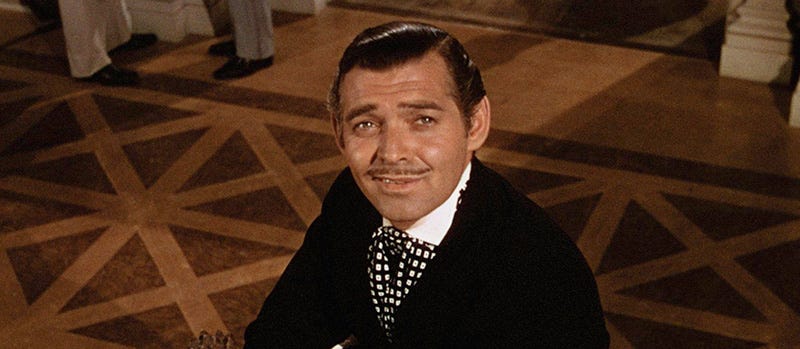
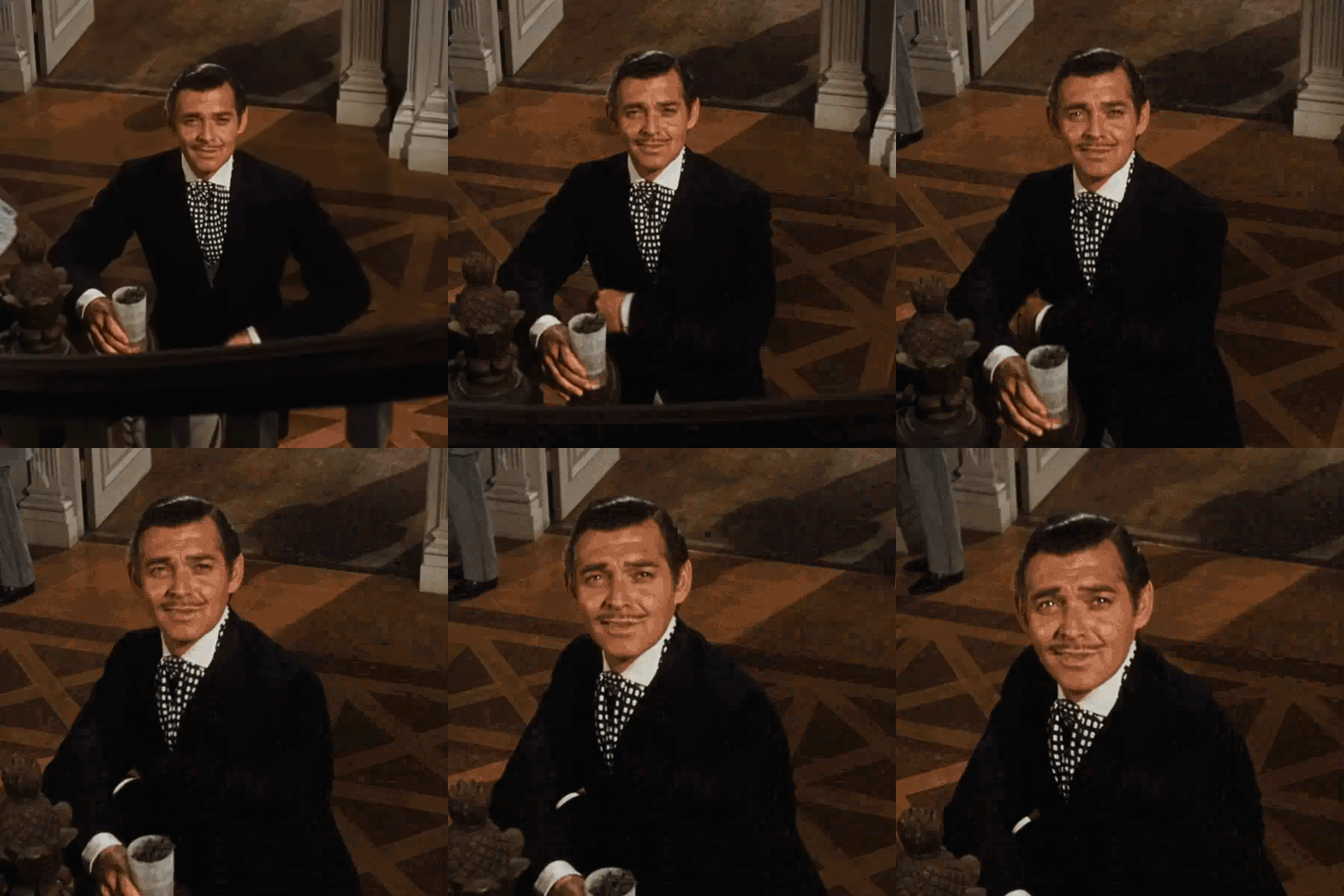
The most successful film in Hollywood history is more complicated than you think it is. Gone with the Wind is a four-hour apologia for the antebellum South - slavery aestheticised, the Confederacy romanticised - but it’s also a disquisition on the arrival of industrial modernity in the United States and the origin of the American capitalist. I focus on Rhett Butler because he’s the film’s most revealing creation: an operator who knows the whole thing is hollow - one of Hollywood’s most compelling characters and a globalist icon. Read the post and tell me what about the world’s most pragmatic capitalist here in the comments.
1944 - Going My Way
a Catholic hymn to capital from the city of labour.
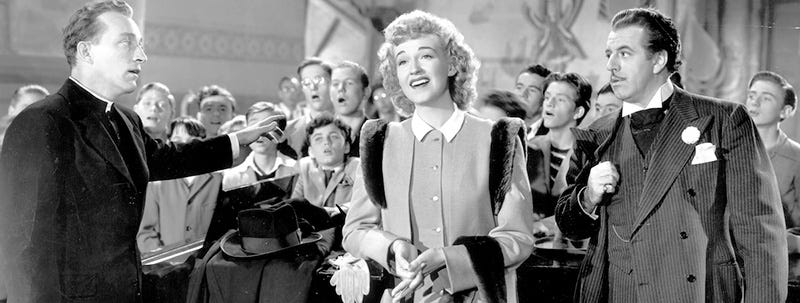
Set in working-class New York - there were 40,000 factories and 500,000 manufacturing jobs on Manhattan island alone in the year of its release - and yet not a single worker appears in it. The labour has been systematically deleted. This essay is about what Hollywood does when it’s frightened: it makes a Bing Crosby priest film and calls it entertainment. Going My Way is a case study in how the studio system neutralised class politics at precisely the moment when American labour was at its most organised and confident. Read the post and tell me how you vibe with Bing’s holy everyman in a comment.
1959 - Ben-Hur
Stupid, cruel, stupidly cruel.
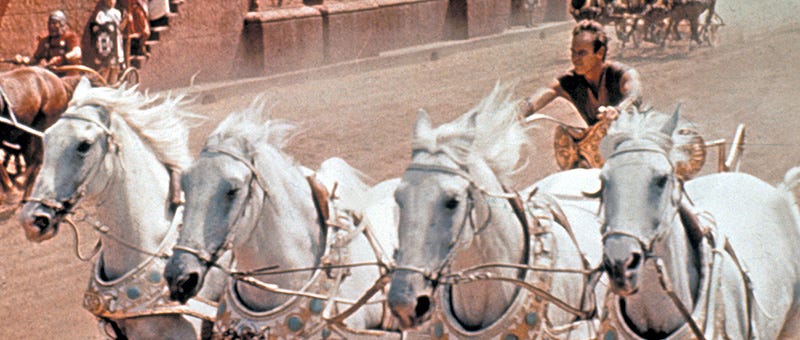
I used the subtitle “I can only apologise.” I have to watch these movies but, luckily, you don’t have to. By 1959 something has gone badly wrong with Hollywood. The creative energy of the early decades has curdled into bombast - 212 minutes of Charlton Heston in a toga, a chariot race, and a theology of personal redemption that conveniently has nothing to say about society, history or power. The Biblical epic is Hollywood conservatism in its purest form: spectacular, expensive, and ideologically empty. This is the nadir. Read the post and share your revulsion/joy with the mid-century epic form in a comment.
1972 - The Godfather
Turns out Hollywood is tragedy’s final home.
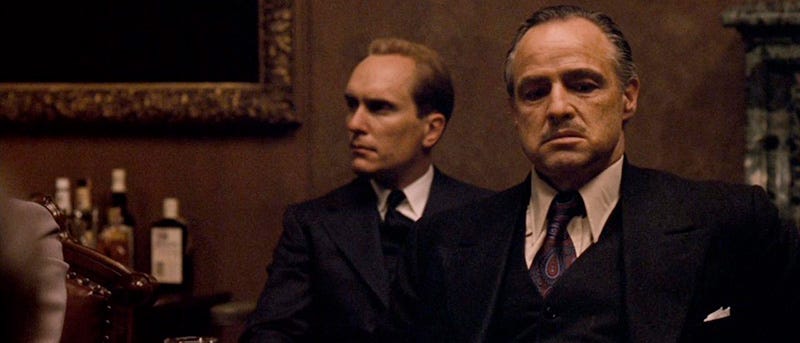
Some kind of peak for the newsletter - and, incidentally, the moment I chose to activate the paywall - so I had to write about The Godfather in three essays: Is The Godfather Shakespearean? Yes. Is it decadent? Obviously. Is it conservative? This is the uncomfortable one - and the most interesting question in the series. Coppola’s film arrives at the moment when New Hollywood is supposed to be tearing everything down, and yet it is a profoundly elegiac film, mourning a patriarchal order and finding it tragic rather than monstrous. It’s a masterpiece. It’s also, I argue, a deeply reactionary one. Read Is The Godfather Shakespearean? (a free read).
The whole archive is here - from 1913 to 1979’s Kramer vs. Kramer. Some new posts are now behind the paywall but everything listed above is free. Subscribe for half price here.